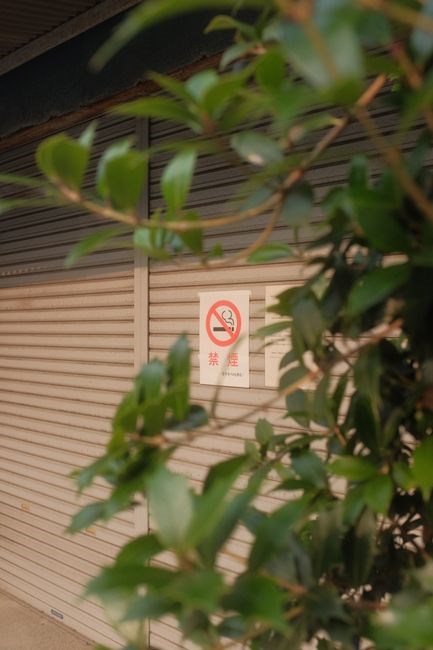
Understanding No Smoking Sign Requirements
Understanding requirements involves reviewing jurisdictional laws‚ comparing international guidelines‚ identifying mandatory pictograms‚ and specifying clear textual messages for compliance to ensure proper placement visibility durability and legal adherence across diverse environments while maintaining accessibility standards universally.
Legal Regulations Overview
Legal regulations governing smoke free environments vary significantly by country state and municipality requiring careful research before deploying any signage. In the United States the Pro Children Act and numerous state clean indoor air acts mandate specific signage at entrances and within facilities. The United Kingdom enforces the Health Act 2006 requiring prominent displays meeting precise size and color specifications. European Union directives harmonize basic requirements yet allow member states stricter rules regarding symbol dimensions and language. Local fire codes often dictate placement near hazardous materials or occupancy limits. Failure to comply results in fines license revocation or increased liability during inspections. Employers must verify current statutes because legislation updates frequently reflecting evolving public health priorities. Consulting official government websites ensures access to the latest statutory text and approved sign templates. Understanding these legal nuances prevents costly violations and protects occupants by guaranteeing that every printed notice meets the enforceable standard for visibility wording and placement accuracy. Business owners should document compliance efforts meticulously and train staff to recognize outdated postings immediately replacing them with current versions to maintain continuous legal adherence effectively.
International Standards Comparison
Comparing international standards for no‑smoking signage reveals both common principles and distinct regional variations that influence printable PDF design choices. In North America‚ the American National Standards Institute (ANSI) and Occupational Safety and Health Administration (OSHA) recommend a red circle with a diagonal slash over a cigarette icon‚ accompanied by the phrase “No Smoking” in clear‚ sans‑serif type. European Union directives‚ particularly EN 14604‚ require a similar pictogram but often mandate multilingual text and a minimum size of 100 mm for outdoor displays; Asian standards‚ such as Japan’s Ministry of Health‚ Labour and Welfare guidelines‚ emphasize high‑contrast colors and allow additional symbols indicating “designated smoking area” when necessary. Australia’s Work Health and Safety regulations adopt the International Organization for Standardization (ISO) 7010 symbol‚ insisting on a white background and black border for maximum legibility. Meanwhile‚ the United Nations’ Global Tobacco Control Framework encourages uniformity across borders‚ recommending a universal graphic that can be reproduced in any language without altering the core image. Understanding these nuances helps designers create free downloadable PDF templates that satisfy diverse legal requirements while maintaining consistent visual impact worldwide globally.
Mandatory Symbols and Text
Mandatory symbols and text on no‑smoking signs are dictated by national and international regulations to ensure immediate recognition and legal compliance. The core graphic typically features a stylized cigarette crossed by a bold red slash‚ icon recognized across cultures. This pictogram must be rendered in contrast‚ usually white on a red background‚ to maximize visibility from a distance. Alongside the image‚ the phrase “No Smoking” is required in the language of the location; many jurisdictions also mandate additional translations to accommodate audiences. Text should be in a sans‑serif font‚ at least 30 mm in height outdoor signs‚ and placed beneath or beside the pictogram visual cohesion. Legal texts may specify wording‚ such as “Smoking prohibited” or “No smoking in this area‚” depending on local statutes. Some regions require a small disclaimer or a to the governing health authority‚ which should appear in a smaller font size but remain legible. When designing a free printable PDF‚ designers must incorporate these elements precisely‚ ensuring that the symbol‚ color scheme‚ and textual content meet all applicable standards to avoid legal penalties and promote daily public safety.

Finding Free Printable PDF Templates
Discover free‚ high‑resolution PDF templates from government portals‚ health agencies‚ and open‑source repositories. These resources offer customizable designs‚ ensuring compliance with local regulations while providing cost‑effective‚ printable solutions for businesses and public spaces for all settings.
Government and Health Agency Resources
Government and health agencies provide reliable‚ downloadable no‑smoking sign templates that meet legal standards. In the United States‚ the Centers for Disease Control and Prevention (CDC) hosts a dedicated page where users can access PDF files featuring the internationally recognized cigarette‑with‑slash symbol‚ accompanied by clear “No Smoking” wording. These files are free and designed for easy printing on office printers or format equipment. Similarly‚ the Occupational Safety and Health Administration (OSHA) offers a collection of signage resources‚ including customizable templates that incorporate required hazard warnings and placement guidelines. Canadian provinces publish comparable assets through provincial health ministries‚ ensuring options for English and French speakers. The United Kingdom’s Public Health England provides downloadable graphics that align with the Health and Safety at Work Act‚ while the European Union’s European Commission maintains a multilingual repository of compliant signs for all member states. Many agencies also include instructions on proper sizing‚ color contrast‚ and mounting locations to maximize visibility. By using these sources‚ organizations can avoid copyright concerns‚ guarantee regulatory compliance‚ and benefit from vetted designs that are for distribution in workplaces‚ schools‚ and venues.

Open‑Source Design Repositories
Open‑source design repositories host a wide variety of no‑smoking sign templates that can be downloaded as PDF files without cost. Platforms such as GitHub‚ GitLab‚ and Bitbucket allow designers to share vector artwork under permissive licenses like MIT‚ Apache 2.0‚ or Creative Commons Zero‚ enabling unrestricted commercial use. Wikimedia Commons offers high‑resolution SVG graphics that can be exported to PDF directly from the browser‚ while OpenClipart provides a curated collection of public‑domain symbols suitable for signage. Many repositories include source files in formats such as AI‚ EPS‚ or SVG‚ allowing users to modify colors‚ text‚ or dimensions before exporting a print‑ready PDF. Contributors often tag their uploads with keywords like “no smoking”‚ “prohibition”‚ or “health sign”‚ making discovery straightforward through search filters. Users should verify the license attached to each asset‚ confirm that the symbol matches local regulatory requirements‚ and test the exported PDF at the intended print size to ensure clarity and compliance. Additionally‚ many projects provide automated build scripts that generate multiple paper sizes‚ ensuring quick adaptation for diverse mounting scenarios and reducing manual layout effort for optimal durability today.
Community‑Shared Template Libraries
Community‑shared template libraries are collaborative hubs where users upload‚ review‚ and refine no‑smoking sign designs for free PDF download. These platforms—such as Canva’s free template section‚ Behance‚ Dribbble‚ and Reddit’s r/Design—offer a mix of user‑generated assets and peer‑reviewed edits. Contributors often provide editable files in PDF‚ SVG‚ or PSD formats‚ allowing others to tweak typography‚ color schemes‚ or add branding while preserving the core prohibition symbol. Many libraries incorporate version control‚ enabling designers to track changes and revert to earlier iterations if a new regulation emerges. Search functionality is usually enhanced with tags like “no smoking”‚ “health sign”‚ or “public safety”‚ making it simple to locate compliant templates. Community feedback loops help identify issues such as low contrast or missing legal text‚ prompting rapid updates. Some libraries even host localized versions‚ adapting language and iconography for specific regions. By leveraging these shared resources‚ small businesses and nonprofits can access high‑quality‚ legally compliant signage without incurring design costs‚ ensuring consistent visual communication across all public spaces. These collaborative ecosystems also provide tutorials and best‑practice guides‚ empowering users to maintain up‑to‑date compliance effortlessly today.

Evaluating Template Quality
Evaluating template quality ensures downloaded no‑smoking signs meet regulatory standards and visual clarity before printing. First‚ verify that the universal prohibition symbol—a red circle with a diagonal bar over a burning cigarette—conforms to ISO 7010 specifications regarding proportions and color values. Next‚ confirm that any mandatory legal text‚ such as specific statute numbers or penalty warnings‚ is present‚ accurately spelled‚ and rendered in a legible font size appropriate for viewing distance. Check file resolution; vector-based PDFs or high‑dpi raster images prevent pixelation when scaled to larger formats like A3 or 11×17 inches. Inspect color contrast ratios between background‚ symbol‚ and text to satisfy accessibility guidelines such as WCAG AA for low‑vision users. Review layer structure in editable PDFs to ensure elements can be modified without breaking alignment. Assess whether bleed margins and crop marks are included for professional trimming. Finally‚ cross‑reference the template against local jurisdiction amendments‚ as some regions require bilingual messaging or additional icons like e‑cigarette prohibitions. Only templates passing all these checkpoints should proceed to production‚ guaranteeing compliance and durability.

Customizing Your No Smoking Sign
Customizing signs involves modifying downloaded templates by inserting specific facility rules‚ translating warnings‚ resizing graphics for distinct spaces‚ and applying brand elements while preserving regulatory symbol integrity and print readiness for immediate deployment ensuring consistent compliance everywhere.
Editing Text and Language Options
Editing the text on a printable PDF is straightforward once you have the right software. Begin by opening the file in a PDF editor that supports text layers‚ such as Adobe Acrobat or alternatives like PDF-XChange Editor. Select the existing warning text and replace it with your organization’s specific policy‚ ensuring you keep the required legal wording intact. If you need multilingual support‚ duplicate the text layer and translate each version‚ placing them side by side or rotating the sign for display in multilingual zones. Pay careful attention to font size and style; the International Organization for Standardization recommends a minimum of 24-point type for outdoor signs to guarantee readability from a distance. Additionally‚ adjust line spacing to prevent cramped visuals‚ especially when adding extended legal notices. Remember to keep the prohibited symbol and color scheme consistent with regulatory standards. After finalizing the text‚ export the document as a PDF to preserve clarity during printing. Test the output by printing a sample on paper before committing to production‚ verifying that all characters display correctly and that layers interfere with the final appearance.

Adjusting Colors for Visibility
Adjusting colors for visibility ensures your signage remains effective under various lighting conditions. Start by verifying the template uses high-contrast combinations‚ typically a white symbol on a red background or black text on white‚ as mandated by ISO 7010 standards. Open the PDF in a vector-capable editor like Inkscape or Illustrator to modify fill values precisely. If printing indoors‚ standard CMYK red (0‚ 100‚ 100‚ 0) provides strong contrast against white walls. For outdoor applications‚ consider boosting saturation slightly to combat UV fading over time. Avoid gradients or shadows that reduce legibility from acute angles. Test color-blind simulations using online tools to confirm the red prohibition circle remains distinguishable for protanopia and deuteranopia viewers. Ensure the background does not clash with the mounting surface; a thin white keyline around the sign perimeter separates it from dark doors or brickwork. When exporting‚ embed the color profile (sRGB or FOGRA39) to maintain consistency across different printers. Finally‚ print a small proof on the target material to verify the red appears vibrant‚ not muddy‚ before running the full batch.
Adding Company Logo or Branding
Incorporating a company logo into your downloaded template personalizes the signage while maintaining regulatory compliance. Open the PDF in a vector graphics editor such as Adobe Illustrator‚ Inkscape‚ or Affinity Designer to preserve resolution independence. Import your logo file‚ preferably in SVG or high-resolution PNG format with a transparent background‚ to avoid unsightly white boxes. Position the logo strategically‚ typically in the top header area or bottom footer‚ ensuring it does not encroach upon the mandatory prohibition symbol or required warning text. Scale the logo proportionally using the shift key to prevent distortion‚ keeping visual weight balanced against the red circle. Maintain a clear space buffer around the logo equal to the height of the letter “N” in “No Smoking” to satisfy accessibility spacing guidelines. If your brand colors clash with the standard red and white palette‚ consider using a monochrome white or black version of the logo for maximum contrast. Lock the regulatory layers before editing brand elements to prevent accidental displacement of legal text. Export the final version as a print-ready PDF/X-1a file‚ embedding all fonts and images‚ ensuring the branding survives professional printing workflows intact.
Ensuring Accessibility Compliance
Ensuring accessibility compliance for no‑smoking signage involves adhering to universal design principles‚ color contrast standards‚ and tactile features. First‚ verify that the red prohibition symbol meets a minimum contrast ratio of 4.5:1 against the background‚ as required by WCAG 2.1 Level AA. Use a monochrome version of the symbol if color vision deficiencies are a concern. Second‚ incorporate high‑contrast text in a legible sans‑serif font‚ such as Arial or Helvetica‚ with a minimum 18‑point size for outdoor displays. Third‚ add a tactile raised‑print version for visually impaired users; this can be achieved by converting the PDF to a vector format and printing on a raised‑print paper or using embossing services. Fourth‚ provide an alternative audio cue in public spaces‚ such as a brief spoken warning linked to a QR code that directs users to an accessible audio file. Finally‚ test the sign in real‑world lighting conditions‚ ensuring readability from 10 meters away and in low‑light scenarios. Document all compliance steps and retain certificates of color contrast testing to demonstrate adherence during inspections. Additionally‚ ensure that the sign’s dimensions comply with signage requirements.

Printing Best Practices for Durable Signs
Optimize print durability by selecting appropriate substrates‚ configuring high-resolution settings‚ utilizing weatherproof inks‚ and applying protective laminates ensuring long-lasting compliance visibility across diverse environmental conditions effectively.

Choosing the Right Paper Size
Selecting the appropriate paper size for a no‑smoking sign is critical for both regulatory compliance and practical visibility. The most common dimensions are 4 × 6 inches for indoor use and 8 × 10 inches for larger‚ outdoor displays. However‚ many organizations adopt 12 × 12 inches or 18 × 18 inches to accommodate additional branding or multilingual text. When choosing a size‚ consider the distance from which the sign will be viewed; larger signs remain legible from farther away. Additionally‚ the chosen paper must support the printing medium—standard bond paper is suitable for low‑traffic areas‚ while heavier cardstock or vinyl sheets provide durability against weather‚ handling‚ and vandalism. It is also essential to verify that the selected size aligns with local signage regulations‚ which may prescribe minimum dimensions for certain locations such as hospitals‚ schools‚ or public transport hubs. Finally‚ ensure that the PDF template’s bleed area matches the paper size to avoid unwanted white borders after trimming‚ and confirm that the printer’s maximum printable area can accommodate the chosen dimensions without scaling artifacts. Printing on high‑quality‚ UV‑resistant ink further extends the sign’s lifespan‚ especially in exposure environments.
Selecting Weather‑Resistant Materials
Choosing weather‑resistant materials ensures that no‑smoking signs remain legible and intact under harsh conditions. For outdoor installations‚ select substrates such as aluminum composite panels‚ high‑density polyethylene‚ or UV‑stabilized vinyl that resist moisture‚ temperature fluctuations‚ and sunlight degradation. Laminated polyester films add an extra protective layer against abrasion and chemical exposure. When printing on paper‚ opt for heavyweight coated stock rated for exterior use‚ and apply a clear acrylic spray sealant after drying. Consider adhesive backings rated for extreme temperatures if the sign will be mounted on metal or concrete surfaces. Verify that the material complies with local fire‑safety codes‚ especially in facilities handling flammable substances. Test a sample piece by exposing it to simulated rain‚ UV cycles‚ and freeze‑thaw cycles before full deployment. Proper material selection reduces replacement frequency‚ lowers maintenance costs‚ and guarantees continuous compliance with signage regulations across diverse environments. Additionally‚ choose corrosion‑resistant fasteners such as stainless steel screws or rivets to prevent rust stains. Ensure the mounting hardware matches the substrate thickness and load requirements. Document material specifications for future audits and maintenance scheduling. Regular inspections confirm ongoing durability.

Printer Settings for High‑Resolution Output
To achieve sharp‚ professional‑looking no‑smoking signs‚ configure your printer for the highest resolution available. Begin by selecting the “Print Quality” option in the driver menu and choose 1200 dpi or higher‚ if supported. Disable any “draft” or “economy” modes that reduce dot density. For ink‑jet printers‚ enable the “High‑Quality Photo” preset and set the ink density to maximum to prevent color bleeding. Laser printers should use the “Best” or “High‑Resolution” setting‚ and enable duplex mode only if the sign requires double‑sided printing. Adjust the paper type to “Glossy” or “Matte” depending on the chosen substrate‚ as this affects ink absorption and color vibrancy. Turn off any automatic scaling or auto‑crop features; instead‚ set the page size to the exact dimensions of the sign template to avoid distortion. Use the “Print Preview” function to confirm that the image aligns correctly and that no borders are cut off. Finally‚ run a test print on a small sample sheet to verify color fidelity‚ sharpness‚ and that the text remains crisp before committing to full‑size production. Printing on a calibrated monitor ensures color matching across all devices;
Laminating and Mounting Techniques
Apply a cold‑laminate film using a roller laminator set to 120 °C for optimal adhesion. Trim excess film with a rotary cutter leaving a 3 mm border. For outdoor signs use UV‑resistant polyester laminate rated for 5 years. Mount the finished sign on a rigid acrylic board using double‑sided adhesive tape rated for high humidity. Align the sign centrally and press firmly for thirty seconds to eliminate air bubbles. If using screws drill pilot holes at each corner and fasten with stainless‑steel hardware. For wall mounting attach Velcro strips to both sign and surface allowing easy removal. Ensure the mounting surface is clean dry and free of grease before application. Inspect the final installation for glare reflection and readability from a distance of three meters. Document the process with photographs for compliance Additionally consider using a clear coat spray for extra scratch resistance and apply anti‑static wrist straps during handling to prevent dust attraction. Record the laminate batch number and mounting hardware specifications in the maintenance log for future audits. Schedule quarterly inspections to verify adhesion integrity and visibility compliance. records.

Compliance Checklist Before Deployment
Verify legal text accuracy‚ confirm correct symbol placement‚ ensure color contrast meets accessibility standards‚ test durability under environmental conditions‚ confirm mounting location follows local guidelines‚ document all steps‚ and obtain final approval before deployment for compliance.
Verification of Legal Text Accuracy
Ensuring that every no‑smoking sign contains the precise wording mandated by local‚ state‚ and federal regulations is essential legal compliance and effective communication. Begin by consulting the most recent version of the applicable health and safety statutes‚ which often specify the exact phrase‚ such as “NO SMOKING” or “SMOKING IS PROHIBITED.” Verify that any additional explanatory text—like “For the safety of all occupants” or “Smoking is prohibited in this area”—matches the official wording required in your jurisdiction. Cross‑reference the text against reputable sources such as government health department publications‚ occupational safety guidelines‚ and industry best‑practice documents. Pay close attention to punctuation‚ capitalization‚ and spacing‚ as variations can lead to misinterpretation or legal disputes. If your organization operates internationally‚ confirm that each sign complies with the local regulations of every country where it will be displayed. Document the source of each approved phrase‚ and maintain an audit trail that records the date of verification‚ the authority consulted‚ and any changes made. This meticulous approach not only safeguards your organization against potential fines but also reinforces a culture of safety responsibility employees visitors alike.
Placement Guidelines for Maximum Visibility
Placement guidelines for maximum visibility focus on strategic positioning‚ height‚ and environmental factors. Signs should be mounted at eye level‚ typically 1.2 to 1.5 meters above the floor‚ ensuring that they are easily seen by pedestrians and drivers alike. Avoid obstructions such as furniture‚ signage‚ or architectural features that could block the view. In high‑traffic areas‚ use multiple signs spaced evenly to reinforce the message. The sign’s background should contrast sharply with the surrounding color palette; a white or light background with a dark border enhances readability. For outdoor locations‚ consider reflective or illuminated signs to maintain visibility during low‑light conditions. Ensure that the sign’s orientation aligns with the direction of movement‚ placing it ahead of entry points or along pathways. In indoor settings‚ mount signs near entrances‚ elevators‚ stairwells‚ and restrooms. Regularly inspect signs for damage or fading‚ replacing them promptly to preserve clarity. Adhering to these placement guidelines guarantees that the no‑smoking message is unmistakable and consistently enforced across all premises. These best practices help reduce confusion‚ promote compliance‚ and support a healthier environment for everyone at all times daily.