Black & Decker Rice Steamer Manual: A Comprehensive Guide
This guide offers detailed instructions for Black & Decker rice steamers, including setup, cooking various rice types, troubleshooting, and maintenance – all based on available manuals.
Understanding Your Rice Steamer
Black & Decker rice steamers are designed for convenient cooking, capable of handling up to 28 cups, ideal for family meals or gatherings. These appliances aren’t just for rice; they can simultaneously steam vegetables, offering a complete meal solution. However, understanding limitations is key – instant rice, already pre-cooked and freeze-dried, isn’t optimized for traditional rice cooker operation; simply rehydrate with boiling water instead.
For optimal results with a standard rice cooker, prioritize long-grain white rice. Familiarizing yourself with these nuances ensures efficient and satisfying cooking experiences with your Black & Decker appliance.
Model Identification & Compatibility
Identifying your specific Black & Decker rice steamer model is crucial for accessing the correct manual and support resources. Currently, PDF instructions are readily available for the RC426 model, with at least two free manuals accessible online. Compatibility extends to various rice types – long grain white rice is recommended for standard cooking.
However, remember that accessories like the FDC-9-style PCC kit are designed for different devices (QSZ-92). Ensure any purchased parts are specifically compatible with your Black & Decker rice cooker model number for proper functionality.
Key Features and Components
Black & Decker rice cookers boast a large 28-cup capacity, ideal for family meals or gatherings. A significant feature is the ability to cook rice and steam vegetables simultaneously, offering convenient one-pot meal preparation. While specific component lists vary by model (like the RC426), expect a removable inner pot, steaming basket, and condensation collector.
Understanding these components is vital for proper cleaning and maintenance. Remember, these cookers aren’t designed for instant rice; it’s pre-cooked and only requires rehydration with boiling water.
Setting Up Your Rice Steamer
Proper setup involves initial cleaning, ensuring all parts are present, and understanding the basic operation before your first use – refer to the manual.
Initial Cleaning and Preparation
Before first use, thoroughly clean all removable parts – the inner pot, steaming basket, and lid – with warm, soapy water. Rinse completely and dry. Wipe the exterior housing with a damp cloth.
Ensure no debris remains inside the unit. Inspect the heating plate for any residue. A clean steamer ensures optimal performance and prevents unwanted flavors in your cooked rice.
Familiarize yourself with each component’s placement before operation. Proper preparation extends the lifespan of your Black & Decker rice steamer and guarantees delicious results from the start.
Powering On and Basic Operation
Plug the rice steamer into a grounded electrical outlet. Most models feature a simple one-touch operation. Press the ‘Cook’ button to begin the cooking cycle after adding rice and water.
The steamer automatically switches to ‘Warm’ mode once cooking is complete, keeping the rice at an ideal serving temperature. Avoid lifting the lid during cooking to prevent steam loss and ensure even cooking.
Always unplug the unit when not in use and before cleaning. Familiarize yourself with the indicator lights to understand the cooking status at a glance.
Control Panel Overview
The control panel typically features a ‘Cook’ and ‘Warm’ indicator light. Some models may include additional settings for specific rice types, like brown rice or quick cook. A ‘Start’ button initiates the cooking process, while others operate with a simple lever mechanism.
Understanding these controls is crucial for optimal performance. The ‘Warm’ function automatically activates after cooking, maintaining rice temperature. Refer to your specific model’s diagram for precise button locations and functions.
Avoid pressing multiple buttons simultaneously, as this may cause operational errors.
Cooking with Your Rice Steamer
Mastering rice cooking involves precise water-to-rice ratios and understanding your steamer’s settings for optimal results with various rice types and steaming.
Rice to Water Ratio – A Crucial Guide
Achieving perfectly cooked rice hinges on the correct rice-to-water ratio. For plain, simple white rice, specifically long grain white rice, a standard starting point is generally recommended. While specific measurements vary by model, a common guideline is a 1:1 ratio – one cup of rice to one cup of water.
However, adjustments may be necessary based on personal preference and the rice steamer’s specific instructions. Brown rice typically requires more water, often around a 1:2 or 1:2.5 ratio.
Experimentation is key to finding the ideal ratio for your steamer and desired rice texture. Remember that instant rice requires only boiling water for rehydration, bypassing the traditional cooking process.
Cooking White Rice (Long Grain)
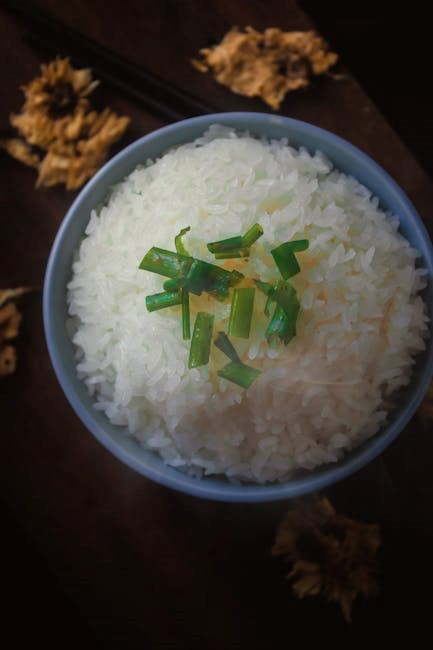
For consistently fluffy white rice, begin by rinsing the rice under cold water until the water runs clear – this removes excess starch. Add the rinsed rice and the appropriate amount of water (typically a 1:1 ratio, but consult your model’s instructions) to the steamer’s inner pot.
Secure the lid and select the “white rice” or “cook” setting on the control panel. The steamer will automatically switch to the “warm” setting once cooking is complete.
Allow the rice to rest, covered, for 10-15 minutes before fluffing with a fork to ensure even moisture distribution and prevent sticking.
Steaming Vegetables Simultaneously
Many Black & Decker rice steamers feature a steaming basket allowing simultaneous vegetable preparation. Place chopped vegetables – broccoli, carrots, or green beans work well – into the steaming basket. Ensure they aren’t packed too tightly for even steaming.
Add water to the outer pot, below the steaming basket, being careful not to exceed the maximum fill line. Begin the rice cooking cycle as usual. The steam generated will cook both the rice and the vegetables concurrently.
Check vegetable doneness towards the end of the rice cooking cycle; steaming times vary depending on the vegetable type and quantity.
Cooking Different Rice Types (Brown, Jasmine, etc.)
Black & Decker rice steamers aren’t limited to white rice! Adjusting the water ratio is key for optimal results with different varieties. Brown rice generally requires more water and a longer cooking time than white rice.
Jasmine rice, known for its fragrant aroma, typically needs a slightly lower water ratio. Consult your steamer’s manual – if unavailable, experiment with small adjustments. Start with a 1:1.25 rice-to-water ratio for Jasmine and 1:2 for brown rice.
Monitor the cooking process and adjust future ratios based on texture preferences.
Troubleshooting Common Issues
Common problems like crust formation, failure to power on, or uneven cooking are addressed with practical solutions, ensuring optimal performance of your Black & Decker steamer.
Rice Forming a Crust – Causes and Solutions
A persistent issue with some Black & Decker rice cookers is rice sticking and forming a crust. This often stems from an insufficient water-to-rice ratio, or using the incorrect rice type. Long grain white rice generally works best for avoiding this.
Ensure proper measurement and consider slightly increasing the water amount. Regularly cleaning the inner pot is crucial; residue buildup exacerbates sticking. Avoid using abrasive cleaners that could damage the non-stick coating. If crusting continues, try pre-soaking the rice for 30 minutes before cooking, which can aid even hydration and reduce sticking.
Steamer Not Turning On
If your Black & Decker rice steamer fails to power on, first verify the power cord is securely plugged into both the appliance and a functioning electrical outlet. Test the outlet with another device to confirm it’s providing power. Check the steamer’s power switch; ensure it’s fully engaged.
Inspect the power cord for any visible damage, such as cuts or fraying. If damage is present, do not use the appliance and consider replacement. A faulty heating element or internal wiring could also be the cause, potentially requiring professional repair or appliance replacement.
Unevenly Cooked Rice
Experiencing unevenly cooked rice in your Black & Decker steamer often stems from improper rice-to-water ratios. Ensure you’re strictly adhering to the recommended measurements for the specific rice type you’re using – long grain requires different proportions than brown or jasmine rice. Thoroughly rinse the rice before cooking to remove excess starch, which can contribute to stickiness and unevenness.
Also, confirm the steamer’s heating plate is clean and free of residue. Uneven heat distribution can occur if the plate isn’t making full contact with the inner pot. Stirring the rice gently after the initial cooking cycle can help redistribute moisture and ensure more consistent results.
Maintenance and Care
Regular cleaning, proper storage, and descaling are crucial for maintaining your Black & Decker rice steamer’s performance and longevity, ensuring optimal cooking results.
Cleaning Procedures
After each use, unplug the rice steamer and allow it to cool completely. Remove the inner pot and steam basket; wash them with warm, soapy water, and rinse thoroughly. The exterior of the steamer can be wiped clean with a damp cloth. Avoid abrasive cleaners, as they may damage the surface.
For stubborn residue, soak the inner pot in warm, soapy water for a while before washing. Ensure all parts are completely dry before reassembling. Never immerse the steamer base in water or any other liquid to prevent electrical shock. Regularly check the heating plate for any food buildup and clean as needed.
Storage Instructions
Before storing your Black & Decker rice steamer, ensure it is completely cool, clean, and dry. Store the unit in a cool, dry place, away from direct sunlight and moisture. It’s best to keep it in its original packaging if available, or a similar protective container.
Avoid storing the steamer where it could be easily knocked over or damaged. Keep the power cord neatly coiled and stored separately to prevent tangling or fraying. Proper storage will help prolong the life of your appliance and ensure it’s ready for its next use.
Descaling the Rice Steamer
Over time, mineral deposits can build up inside your Black & Decker rice steamer, affecting its performance. Descaling removes these deposits. Mix equal parts white vinegar and water, then pour the solution into the steamer’s inner pot.
Run a full cooking cycle without rice. Afterward, discard the vinegar solution and rinse the pot thoroughly with clean water. Repeat if necessary. Regular descaling – every few months, depending on water hardness – will maintain optimal steaming efficiency and prolong the steamer’s lifespan.
Advanced Usage & Recipes
Explore beyond basic rice! Instant rice isn’t ideal, being pre-cooked and freeze-dried; however, steaming diverse recipes beyond vegetables is possible with this device.
Using Instant Rice (Limitations)
While convenient, utilizing instant rice within your Black & Decker rice steamer presents certain limitations. Unlike traditional rice requiring a cooking cycle, instant rice is already pre-cooked and subsequently freeze-dried for extended shelf life. The process for preparation differs significantly; it doesn’t benefit from the rice cooker’s functionality.
Essentially, you’re simply rehydrating the rice. The recommended method involves adding boiling water directly to the instant rice and allowing it to sit until fully rehydrated – the steamer isn’t necessary for this process. While it can be warmed within the cooker, it won’t improve the quality and is considered “ok, but not amazing.”
Exploring Steaming Recipes Beyond Vegetables
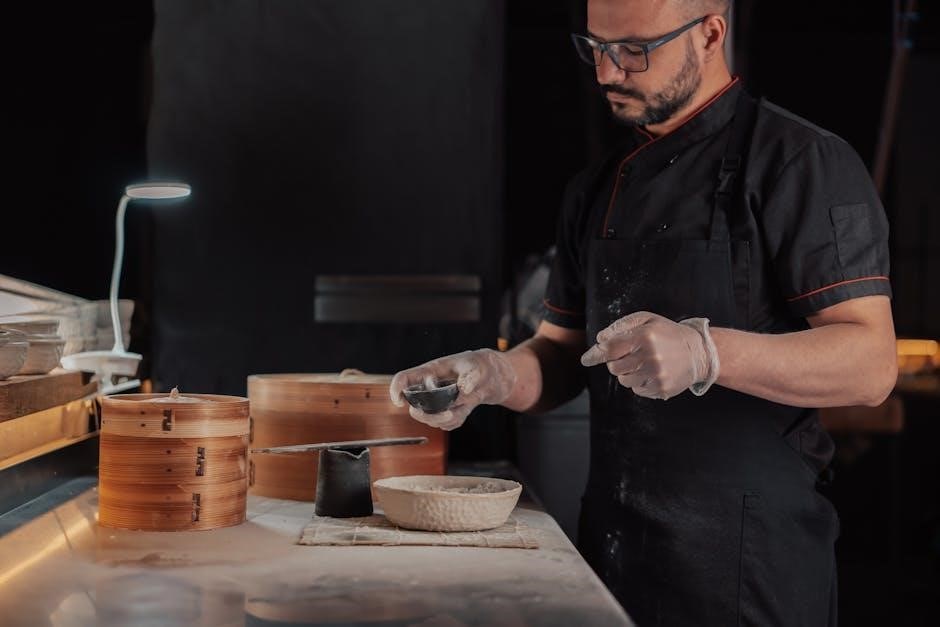
Your Black & Decker rice steamer isn’t limited to just rice and vegetables! The steaming basket offers versatility for preparing various dishes. Consider steaming fish fillets, delicately seasoned, for a healthy and flavorful meal. Poultry, like chicken breasts or thighs, can also be steamed, retaining moisture and tenderness.
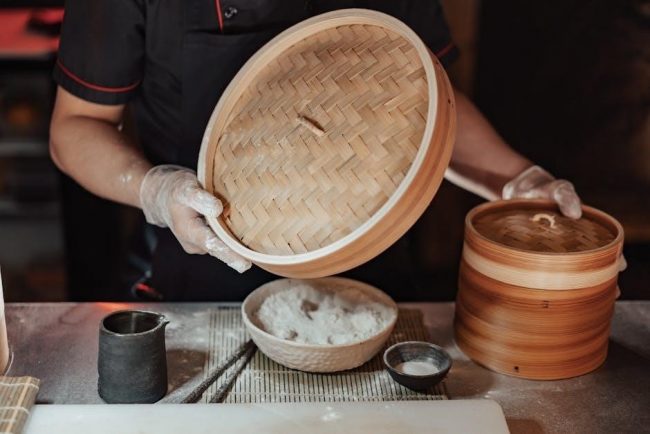
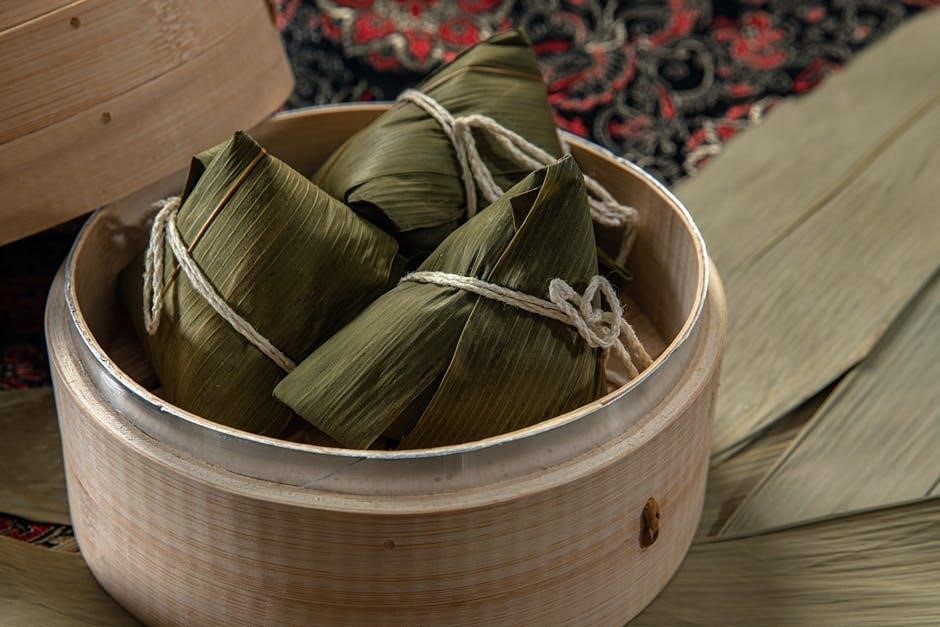
Dumplings and buns are excellent candidates for steaming, achieving a light and fluffy texture. Even desserts, such as puddings or custards in heat-safe containers, can be gently steamed. Remember to monitor cooking times carefully, adjusting based on the food’s thickness and density to ensure thorough heating.
Safety Precautions
Always follow electrical safety guidelines and avoid immersing the base in water. Use caution to prevent burns from steam and hot surfaces during operation.
Electrical Safety Guidelines
To ensure safe operation, always verify the voltage of your outlet matches the steamer’s requirements. Never operate the appliance with a damaged cord or plug; immediate replacement is crucial. Avoid using extension cords if possible, and if necessary, ensure it’s appropriately rated for the steamer’s wattage.
Do not immerse the base unit in water or any other liquid to prevent electric shock. Always unplug the steamer before cleaning and allow it to cool completely. Keep the cord away from hot surfaces during operation. If the appliance malfunctions, discontinue use and consult a qualified technician for repairs – do not attempt self-repair.
Proper Usage to Avoid Burns
Exercise extreme caution when handling the steamer during and after operation, as surfaces become very hot. Always use oven mitts or pot holders when touching the outer housing, lid, or steam basket. Avoid touching the steam vent during or immediately after cooking, as escaping steam can cause severe burns.
Never open the lid while the steamer is in operation; allow the pressure to release naturally. Be mindful of hot rice and steam when serving. Keep children away from the appliance during use and ensure it’s placed on a stable, heat-resistant surface to prevent accidental tipping – safety first!
Downloading Manuals & Resources
Find readily available PDF manuals for RC426 Black & Decker rice cookers online, alongside access to support forums and relevant maintenance updates.
Finding PDF Manuals for RC426 Models
Locating the correct PDF manual for your Black & Decker RC426 rice cooker is straightforward. Several websites archive user manuals, offering free downloads. Currently, two PDF instructions are available specifically for the Black & Decker RC426 rice cooker model. These manuals, typically around 30-31 pages, detail everything from initial setup and operation to cooking instructions and safety precautions.
A quick online search using terms like “Black & Decker RC426 manual PDF” will yield numerous results. Ensure the source is reputable to avoid downloading potentially harmful files. These resources provide valuable assistance for understanding and maximizing your rice cooker’s functionality.
Accessing Online Support Forums
Beyond official manuals, online support forums can be invaluable resources for Black & Decker rice steamer users. These communities allow owners to share experiences, troubleshoot issues, and exchange recipes. Users frequently discuss problems like rice forming a crust, seeking advice and solutions from fellow enthusiasts.
Forums provide a platform to ask specific questions about your model and receive personalized guidance. While not an official support channel, these forums often contain a wealth of practical knowledge and user-generated tips, supplementing the information found in the provided manuals.
Black Desert Maintenance Updates (Relevance to Device Support)
Interestingly, information regarding scheduled maintenance for the online game Black Desert surfaced alongside Black & Decker rice steamer manual searches; While seemingly unrelated, this highlights the broader digital landscape where users may encounter diverse information during online research.
The April 30, 2026, Black Desert maintenance update, aimed at service improvements, serves as a reminder that online searches can yield unexpected results. This emphasizes the importance of verifying source relevance when seeking information about specific products like the RC426 rice cooker.