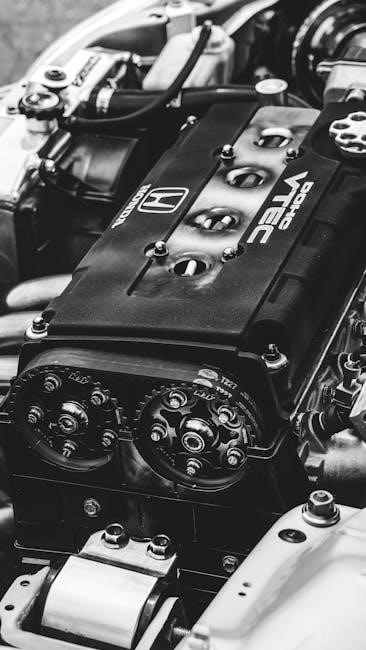
Honda Passport Maintenance Schedule: A Comprehensive Guide
Accessing your Honda Passport’s maintenance schedule PDF is crucial for optimal vehicle health; consult your owner’s manual or Honda’s official website for detailed guidance.
Maintaining your Honda Passport ensures its longevity, reliability, and resale value. This comprehensive guide details the recommended maintenance schedule, helping you proactively address vehicle needs. Understanding your Passport’s specific requirements, often found within the owner’s manual or a dedicated Honda Passport maintenance schedule PDF, is paramount.
Regular servicing, encompassing oil changes, fluid checks, filter replacements, and brake system inspections, prevents costly repairs down the line. Factors like driving conditions – normal versus severe – significantly impact maintenance intervals. Honda’s Maintenance Minder system further personalizes this schedule, adapting to your unique driving habits. This guide will help you navigate these complexities, keeping your Passport performing at its best for years to come.

Understanding the Honda Maintenance Minder System
Honda’s Maintenance Minder is a sophisticated system that moves beyond traditional mileage-based schedules. It intelligently monitors driving conditions – including mileage, temperature, and engine load – to determine when service is needed. When maintenance is due, a message appears on your instrument cluster, displaying a code indicating the required service type.

Referencing your Honda Passport maintenance schedule PDF alongside these codes is vital for accurate interpretation. The system doesn’t replace the need to occasionally check fluid levels or tire pressure, but it provides a personalized schedule. Understanding how the Maintenance Minder works empowers you to proactively address your vehicle’s needs, ensuring optimal performance and reliability.
Maintenance Schedule Overview (General)
Generally, a Honda Passport’s maintenance includes routine services like oil changes, tire rotations, brake inspections, and fluid checks. However, the specifics outlined in your Honda Passport maintenance schedule PDF are paramount. Intervals vary based on driving habits; “normal” versus “severe” conditions significantly impact frequency.
Expect more frequent services if you frequently tow, drive in extreme temperatures, or navigate dusty environments. Regularly consulting your owner’s manual and the detailed PDF will ensure you adhere to Honda’s recommendations. Proactive maintenance, guided by the schedule, contributes to longevity and maintains your vehicle’s value.
Key Maintenance Intervals & Services
The Honda Passport maintenance schedule PDF details essential services like fluid exchanges, filter replacements, brake work, and tire care for peak performance.
Oil Changes & Filter Replacements
Your Honda Passport’s maintenance schedule PDF will outline specific oil change intervals, differentiating between normal and severe driving conditions. Generally, regular oil and filter replacements are fundamental for engine longevity. The recommended oil type and capacity are detailed within the PDF, ensuring optimal lubrication and performance.
Firestone Complete Auto Care emphasizes that scheduled maintenance often includes oil changes. Consistent oil changes prevent sludge buildup and reduce engine wear. The PDF will also specify the correct oil filter to use, crucial for maintaining oil cleanliness. Adhering to the recommended schedule, as found in your vehicle’s PDF, is vital for preserving your Passport’s engine health and avoiding costly repairs down the road.
Recommended Oil Type & Capacity
The Honda Passport maintenance schedule PDF is your primary resource for determining the correct oil specifications. While specifics vary by model year, generally, Honda recommends using 0W-20 synthetic oil for optimal engine performance and fuel efficiency. Always verify this information within your vehicle’s specific PDF.
Oil capacity also differs depending on the engine and whether the oil is being changed with or without a filter. Your Passport’s PDF will provide precise capacity figures, typically around 6.1 quarts with a filter. Using the recommended oil type and capacity, as detailed in the PDF, ensures proper lubrication, protects engine components, and maintains warranty compliance.
Oil Change Intervals – Normal vs. Severe Driving
The Honda Passport maintenance schedule PDF clearly outlines differing oil change intervals based on driving conditions. Under “normal” driving – primarily highway miles in moderate climates – intervals may extend to 7,500 ⸺ 10,000 miles. However, the PDF emphasizes that “severe” driving necessitates more frequent changes;
Severe conditions, as defined in the PDF, include frequent short trips, stop-and-go traffic, extreme temperatures, towing, and off-road use. For these scenarios, the PDF recommends reducing the interval to 5,000 ⸺ 7,500 miles. Adhering to the appropriate interval, as detailed in your vehicle’s PDF, safeguards engine health and longevity.
Fluid Checks & Exchanges
The Honda Passport maintenance schedule PDF details crucial fluid inspections and exchange services. Regular checks of brake fluid, coolant, transmission fluid, and power steering fluid are vital for optimal performance. The PDF specifies inspection intervals, typically around 30,000 miles, with complete fluid exchanges recommended at longer intervals – often 60,000 to 90,000 miles, depending on the fluid type and driving conditions.
The PDF stresses the importance of using Honda-approved fluids to maintain system integrity. Ignoring these services, as outlined in the PDF, can lead to component failure and costly repairs. Consult your specific PDF for precise recommendations tailored to your Passport’s model year.
Brake Fluid Inspection & Replacement
The Honda Passport maintenance schedule PDF emphasizes regular brake fluid inspection, typically around 30,000 miles, to ensure optimal braking performance. Brake fluid absorbs moisture over time, reducing its effectiveness and potentially causing corrosion within the brake lines. The PDF outlines a recommended replacement interval, generally between 30,000 and 60,000 miles, depending on driving conditions.
Using Honda-approved brake fluid is critical, as specified in the PDF, to maintain system compatibility and prevent damage. Ignoring brake fluid maintenance, as detailed in the PDF, can compromise safety and lead to expensive brake system repairs. Always refer to your vehicle’s specific PDF for precise intervals.
Coolant Flush & Replacement
The Honda Passport maintenance schedule PDF details the importance of coolant flushes to prevent corrosion and maintain optimal engine temperature regulation. Typically, the PDF recommends a coolant flush and replacement around 60,000 to 100,000 miles, though severe driving conditions may necessitate more frequent service. Using the correct Honda Long Life Antifreeze/Coolant is crucial, as specified within the PDF, to avoid damaging the cooling system.
The PDF highlights that neglecting coolant replacement can lead to overheating, radiator damage, and costly engine repairs. Regularly checking coolant levels, as outlined in the PDF, is also advised. Always consult your specific vehicle’s PDF for the most accurate maintenance intervals.
Transmission Fluid Service
The Honda Passport maintenance schedule PDF emphasizes the critical role of transmission fluid service for smooth shifting and longevity of the transmission. The PDF generally recommends a transmission fluid exchange between 30,000 and 60,000 miles, but severe driving – like towing or off-roading – often requires more frequent attention.
Using Honda Genuine ATF DW-1 fluid, as detailed in the PDF, is paramount to prevent damage. The PDF also cautions against simply topping off fluid; a complete drain and fill is usually recommended. Ignoring this service, the PDF warns, can lead to transmission failure and expensive repairs. Refer to your specific Passport’s PDF for precise intervals.

Power Steering Fluid Check
The Honda Passport maintenance schedule PDF outlines the importance of regularly checking your power steering fluid level. While not always a frequent service, the PDF recommends inspecting the fluid during oil changes and looking for any leaks in the system. Maintaining proper fluid levels ensures smooth and effortless steering operation.
The PDF specifies using Honda Genuine Power Steering Fluid to avoid compatibility issues and potential pump damage. It also notes that low fluid levels can cause a whining noise and difficulty steering. Consult your Passport’s specific PDF for recommended inspection intervals and fluid type, as variations may exist based on model year.
Filter Replacements
The Honda Passport maintenance schedule PDF details crucial filter replacement intervals for optimal performance. It emphasizes the importance of regularly replacing both the air filter and cabin air filter. The engine air filter prevents debris from damaging the engine, while the cabin air filter ensures clean air inside the vehicle.
The PDF outlines specific mileage or time-based recommendations for each filter. Severe driving conditions, as detailed within the PDF, may necessitate more frequent replacements. Using Honda Genuine Filters is recommended to maintain quality and compatibility. Refer to your Passport’s specific PDF for precise intervals and instructions, ensuring peak vehicle health and comfort.
Air Filter Replacement
The Honda Passport maintenance schedule PDF specifies regular air filter replacements to maintain engine efficiency. A clean air filter prevents contaminants from entering the engine, safeguarding its performance and longevity. The PDF details inspection intervals and replacement mileage, often varying based on driving conditions.
Severe driving, as outlined in the PDF, like dusty environments, requires more frequent checks and replacements. The document recommends using Honda Genuine Filters for optimal fit and filtration. Ignoring air filter replacement can lead to reduced fuel economy and potential engine damage. Consult your Passport’s specific PDF for precise intervals and detailed replacement instructions, ensuring optimal engine health.
Cabin Air Filter Replacement
The Honda Passport maintenance schedule PDF emphasizes the importance of cabin air filter replacement for maintaining interior air quality. This filter cleans the air entering the vehicle’s cabin, removing dust, pollen, and other pollutants. The PDF outlines recommended replacement intervals, typically based on mileage or time, often differing with driving habits.
Severe conditions, detailed within the PDF, such as frequent driving in polluted areas, necessitate more frequent filter changes. Using a Honda Genuine Cabin Air Filter ensures optimal filtration and compatibility. A clogged cabin air filter can reduce airflow and impact the performance of the HVAC system. Refer to your Passport’s specific PDF for precise intervals and instructions, promoting a healthier cabin environment.
Brake System Maintenance
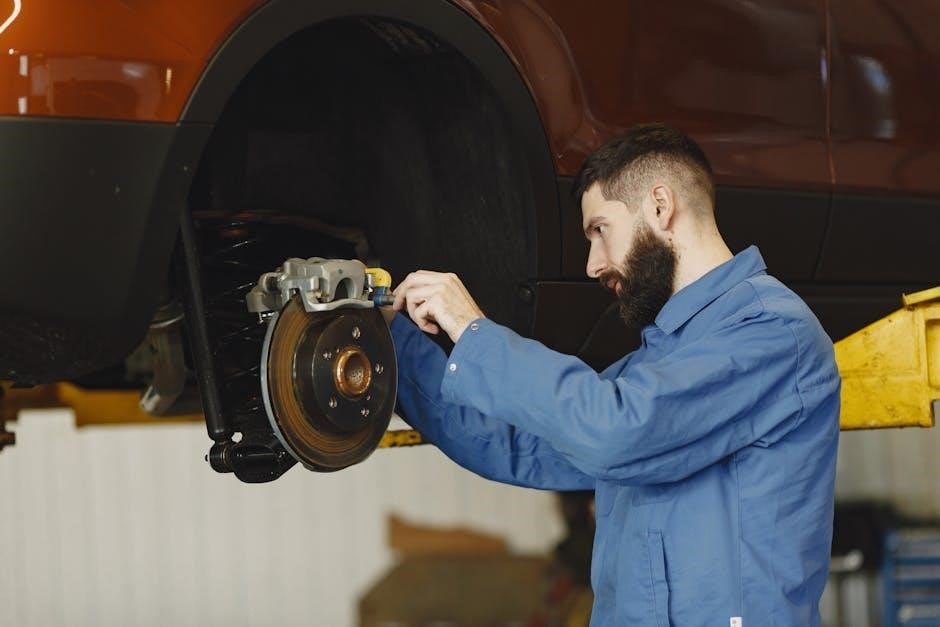
The Honda Passport maintenance schedule PDF details crucial brake system inspections and services for safety. It recommends regular brake pad inspections, noting wear and tear, and specifying replacement intervals based on driving conditions. The PDF also covers brake rotor evaluation, outlining when resurfacing or replacement is necessary to maintain optimal stopping power.
Brake fluid inspection is highlighted, with the PDF indicating recommended flush and replacement intervals to prevent corrosion and ensure efficient brake operation. Severe driving, as defined in the PDF, accelerates brake wear, requiring more frequent maintenance. Adhering to the schedule ensures reliable braking performance and extends the life of brake components, as detailed within your vehicle’s specific PDF.
Brake Pad Inspection & Replacement
The Honda Passport maintenance schedule PDF emphasizes regular brake pad inspections as a cornerstone of brake system health. It details how to visually assess pad thickness, indicating when replacement is imminent. Intervals aren’t fixed; the PDF stresses that severe driving – including frequent towing or mountainous terrain – necessitates more frequent checks.
The PDF outlines the importance of replacing brake pads in pairs, across each axle, to ensure balanced braking. It doesn’t specify exact mileage, instead advocating for inspection during oil changes and fluid services. Ignoring worn brake pads compromises stopping power and can damage rotors, leading to costly repairs, as detailed within the comprehensive PDF document.

Brake Rotor Inspection & Resurfacing/Replacement
The Honda Passport maintenance schedule PDF highlights the critical role of brake rotor inspection alongside pad checks. It explains how to identify scoring, warping, or excessive rust, all indicators of rotor damage; The PDF doesn’t provide rigid replacement intervals, instead linking rotor condition to driving habits and brake pad wear.
The document details that rotors can sometimes be resurfaced (turned) to remove minor imperfections, but there’s a thickness limit. If rotors are too thin after resurfacing, or severely damaged, replacement is mandatory. The PDF stresses that neglecting rotor issues compromises braking performance and safety, potentially leading to accidents and increased repair costs down the line.
Tire Maintenance
The Honda Passport maintenance schedule PDF emphasizes regular tire care for safety and longevity. It details recommended tire rotation patterns – typically front to back – to ensure even wear, extending tire life and maintaining optimal handling. The PDF also stresses the importance of checking tire pressure monthly, referencing the sticker located on the driver’s side doorjamb for correct PSI.
Furthermore, the document highlights the Tire Pressure Monitoring System (TPMS) and advises checking its functionality periodically. It doesn’t specify a TPMS check interval, but recommends addressing any warning lights immediately. Proper tire maintenance, as outlined in the PDF, contributes to fuel efficiency and overall vehicle performance.
Tire Rotation Schedule
The Honda Passport maintenance schedule PDF recommends rotating your tires to promote even wear, maximizing their lifespan and ensuring consistent handling. While the exact interval can vary based on driving conditions, a general guideline suggests rotation every 5,000 to 7,500 miles. The PDF typically details a specific rotation pattern – often front to back, with tires switching sides – to optimize wear.
It’s crucial to consult your vehicle’s specific PDF for the recommended pattern. Ignoring tire rotation can lead to uneven wear, reduced fuel efficiency, and compromised safety. Regularly checking the PDF and adhering to the schedule will help maintain optimal tire performance and extend their usability.
Tire Pressure Monitoring System (TPMS) Check
Your Honda Passport’s maintenance schedule PDF highlights the importance of regularly checking the Tire Pressure Monitoring System (TPMS). This system alerts you to low tire pressure, a critical safety feature. The PDF will specify inspection intervals, often coinciding with oil changes or tire rotations – typically every 5,000 to 7,500 miles.
Beyond the system check, ensure your tires are inflated to the recommended pressure (found on the driver’s side doorjamb). The PDF may also detail how to reset the TPMS after inflation. A functioning TPMS contributes to fuel efficiency, tire longevity, and, most importantly, safe driving conditions. Consistent checks, guided by the PDF, are essential.

Severe Driving Conditions & Adjustments
The Honda Passport maintenance schedule PDF details adjustments for “severe” driving – like off-roading or towing – requiring more frequent service intervals.
What Constitutes “Severe” Driving?
Determining “severe” driving conditions is vital when referencing your Honda Passport maintenance schedule PDF. Honda defines severe conditions as frequent short trips, stop-and-go driving in city traffic, and operating in extremely hot or cold temperatures.
Furthermore, towing a trailer, off-road adventures, or driving on dusty, muddy, or salted roads also qualify as severe use. These conditions place extra stress on vehicle components, necessitating more frequent maintenance. The Honda Passport maintenance schedule PDF will outline adjusted intervals for oil changes, filter replacements, and fluid checks when these conditions apply, ensuring your vehicle’s longevity and optimal performance. Ignoring these adjustments can lead to premature wear and potential mechanical issues.
Adjusting the Maintenance Schedule for Severe Conditions
Your Honda Passport maintenance schedule PDF details adjustments needed for severe driving. If regularly encountering these conditions, shorten oil change intervals – potentially doubling the frequency. More frequent filter replacements (air, cabin, oil) are also recommended, alongside increased attention to fluid checks and exchanges.
Specifically, the Honda Passport maintenance schedule PDF may suggest more frequent brake inspections and tire rotations. Prioritizing these adjustments safeguards against premature wear and tear. Regularly consulting the PDF and adhering to the revised schedule ensures your Passport remains reliable, even under demanding circumstances, maximizing its lifespan and minimizing potential repair costs.
Locating Your Honda Passport Maintenance Schedule PDF
Finding your Honda Passport maintenance schedule PDF is straightforward. Begin by checking your vehicle’s owner’s manual – it often includes a direct link or instructions for download. Alternatively, visit Honda’s official website and navigate to the ‘Owners’ section; search for your specific Passport model year.
Dealerships like Honda of Hackettstown can also provide a copy. Several third-party automotive websites compile these PDFs, but ensure the source is reputable. The Honda Passport maintenance schedule PDF is a vital resource, offering tailored guidance for keeping your vehicle in peak condition, extending its life, and maintaining its value.