
Chandamama Kathalu, a beloved Telugu magazine, captivated generations with enchanting stories; readily available PDF versions ensure its timeless tales endure today.
What are Chandamama Kathalu?
Chandamama Kathalu, literally translating to “Stories of the Moon Uncle,” was a highly popular monthly magazine for children published in Telugu. First launched in 1947, it quickly became a cornerstone of Telugu childhoods, fostering a love for reading and cultural heritage. The magazine distinguished itself through its beautifully illustrated stories, primarily aimed at children aged eight to twelve, though enjoyed by all ages.
These weren’t simply stories; they were windows into a rich tapestry of Telugu folklore, mythology, and moral lessons. The content ranged from retellings of classic epics like the Ramayana and Mahabharata, to original folktales and engaging narratives about animals and nature. Now, thankfully, many issues have been digitized, making Chandamama Kathalu Telugu PDF versions widely accessible, preserving this cultural treasure for future generations and allowing a global audience to experience its magic.
Historical Significance & Origins
Chandamama Kathalu emerged in a post-independence India, a period marked by a burgeoning national identity and a desire to cultivate cultural pride. Founded by Munimanikyam Ramaswamy Chowdary, the magazine aimed to provide children with engaging, wholesome entertainment rooted in Indian values and traditions. Its launch filled a significant void, as quality children’s literature in Telugu was scarce at the time.
The magazine’s initial success stemmed from its commitment to high-quality illustrations and captivating storytelling. It quickly gained a loyal readership, becoming a staple in Telugu households across Andhra Pradesh and Telangana. The availability of Chandamama Kathalu Telugu PDF scans today highlights its enduring legacy. Digitization efforts ensure these historically significant stories, reflecting a specific era and cultural context, remain accessible for research and enjoyment, preserving a vital part of Telugu heritage.
The Role of Munimanikyam Ramaswamy Chowdary
Munimanikyam Ramaswamy Chowdary was the visionary founder and driving force behind Chandamama Kathalu. His deep passion for Telugu language and culture fueled his ambition to create a magazine that would instill moral values and a love for storytelling in young minds. Chowdary wasn’t merely a publisher; he was a dedicated editor, personally involved in selecting stories and overseeing the artistic direction of the magazine.
He understood the power of visual storytelling, ensuring each issue featured vibrant and detailed illustrations. The widespread availability of Chandamama Kathalu Telugu PDF versions is a testament to his foresight. Chowdary’s commitment to quality and accessibility ensured the magazine’s longevity, and now, through digital preservation, his legacy continues to inspire generations, offering a window into Telugu culture and childhood for readers worldwide.

The Content of Chandamama Kathalu
Chandamama Kathalu’s rich content, from myths to morals, is now easily accessible as Telugu PDF files, preserving cultural narratives for all readers.
Mythological Stories & Retellings
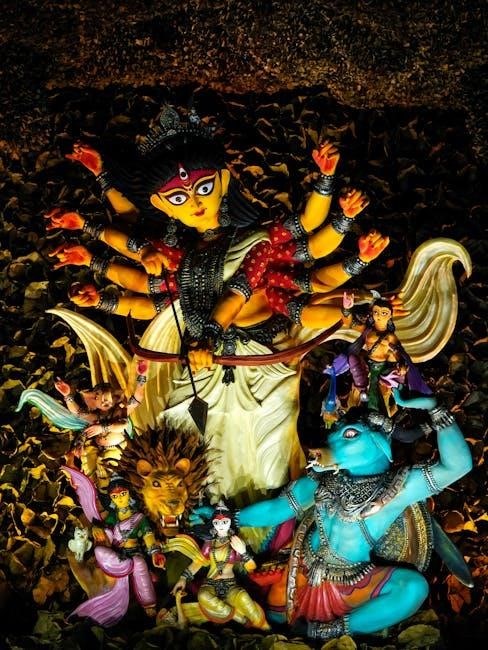
Chandamama Kathalu brilliantly retold classic Hindu mythological stories, making them accessible and engaging for young readers. These weren’t simply translations; they were adaptations, imbued with a distinctly Telugu flavor and moral compass. Stories of Rama, Krishna, Shiva, and countless other deities were presented with vivid descriptions and relatable characters.
Now, thanks to digitized efforts and readily available Telugu PDF versions, these timeless tales continue to inspire. The PDF format allows for easy sharing and preservation of these culturally significant narratives. Readers can delve into the epics, learning about dharma, karma, and the eternal battle between good and evil, all within the charming framework of Chandamama’s storytelling. The accessibility of these PDFs ensures the myths live on for future generations.
Moral Stories & Life Lessons
Beyond mythology, Chandamama Kathalu excelled at presenting moral stories designed to instill virtuous qualities in children. These narratives often featured relatable characters facing everyday dilemmas, demonstrating the importance of honesty, kindness, courage, and respect for elders. The stories subtly conveyed life lessons about perseverance, the consequences of greed, and the value of friendship.
Fortunately, these valuable lessons are still accessible today through numerous Telugu PDF archives. Downloading a Chandamama Kathalu PDF provides a convenient way to revisit these timeless tales and share them with a new generation. The PDF format ensures the preservation of these moral compasses, allowing parents and educators to utilize these stories to shape young minds and promote ethical behavior. These PDFs are a treasure trove of wisdom.
Folktales & Regional Narratives
Chandamama Kathalu didn’t limit itself to grand epics; it beautifully showcased the rich tapestry of Telugu folklore and regional narratives. Stories varied widely, reflecting the diverse customs, beliefs, and traditions prevalent across Andhra Pradesh and Telangana. These tales often featured local heroes, unique customs, and the distinctive landscapes of different regions, offering a glimpse into the cultural heart of Telugu-speaking communities.
Thankfully, many of these captivating folktales are preserved within digitized Chandamama Kathalu PDF collections. Accessing a Telugu PDF allows readers to explore these regional gems, experiencing the unique charm of each story. These PDF archives serve as invaluable resources for understanding and appreciating the cultural diversity of the Telugu region, ensuring these narratives aren’t lost to time. Finding a complete PDF set is a rewarding experience.
Stories Featuring Animals & Nature
Chandamama Kathalu frequently featured delightful stories centered around animals and the natural world, often imbuing them with human characteristics and moral lessons. Clever foxes, wise elephants, and talking birds populated these narratives, teaching children about compassion, respect for nature, and the interconnectedness of all living things. These tales weren’t merely entertainment; they subtly promoted environmental awareness and ethical behavior.
Fortunately, these charming animal fables are readily accessible through numerous Chandamama Kathalu PDF archives. A comprehensive Telugu PDF collection allows readers to revisit these beloved stories, fostering a love for nature in new generations. Searching for a complete PDF set unlocks a treasure trove of animal adventures, beautifully illustrating the importance of coexisting harmoniously with the natural world. These PDF versions are a wonderful resource.

The Impact of Chandamama Kathalu on Telugu Culture
Chandamama Kathalu profoundly shaped Telugu childhoods; now, accessible PDF copies preserve its cultural impact, ensuring these stories continue to inspire and educate.
Influence on Childhood & Education
Chandamama Kathalu served as a cornerstone of Telugu childhoods, fostering a love for reading and cultural heritage. For many, it was their first introduction to Telugu literature, sparking imagination and curiosity. The stories, often featuring moral lessons and relatable characters, subtly imparted values and ethics.
The magazine’s accessible language made complex narratives understandable for young readers, aiding in language development and comprehension skills. Beyond entertainment, it acted as an informal educational tool, exposing children to mythology, history, and diverse regional traditions.
Now, with readily available PDF versions, this influence extends to new generations, allowing children globally to connect with their roots. These digital copies ensure the continuation of a cherished tradition, providing educational and cultural enrichment regardless of location. The stories continue to shape young minds, fostering a sense of identity and belonging.
Preservation of Telugu Folklore
Chandamama Kathalu played a pivotal role in preserving and popularizing Telugu folklore, rescuing countless tales from fading into obscurity. The magazine diligently collected and retold regional narratives, myths, and legends, ensuring their survival for future generations. It acted as a vital repository of cultural memory, showcasing the rich tapestry of Telugu traditions.
By presenting these stories in an engaging and accessible format, Chandamama Kathalu instilled a sense of pride in Telugu heritage. The publication’s widespread reach meant that folklore, previously confined to oral traditions, gained a broader audience.
The availability of PDF versions today further strengthens this preservation effort. Digitization safeguards these stories against physical deterioration and expands access, allowing researchers, scholars, and enthusiasts worldwide to study and appreciate the depth of Telugu folklore. This ensures these cultural treasures remain vibrant and relevant.
Chandamama Kathalu and Family Traditions
Chandamama Kathalu became deeply interwoven with family traditions across Telugu households. Reading the magazine was often a shared experience, with grandparents narrating stories to children, fostering intergenerational connections and strengthening familial bonds. It created a ritual of storytelling, passed down through decades.
The magazine’s arrival each month was an event, eagerly anticipated by families. Discussions about the stories sparked conversations about values, morals, and cultural identity. These shared moments contributed to a sense of belonging and collective memory.
Today, accessing PDF versions of Chandamama Kathalu allows families to recreate these cherished traditions. Parents can now easily share these stories with their children, regardless of location, ensuring the continuation of a beloved cultural practice and preserving family heritage.

Chandamama Kathalu in the Digital Age
Chandamama Kathalu’s legacy thrives online; numerous PDF archives and digital platforms now offer convenient access to these classic Telugu stories for all.
Availability of Chandamama Kathalu PDFs
Chandamama Kathalu in PDF format is surprisingly accessible, thanks to dedicated fans and digitization efforts. Several websites archive older issues, offering a treasure trove of stories for Telugu speakers worldwide.
Internet Archive is a prominent source, hosting a substantial collection. Dedicated Facebook groups and online forums frequently share links to downloadable PDFs, often categorized by year or story theme.
However, quality varies; some scans are clearer than others. Many individuals have undertaken personal projects to scan and upload their family’s collections, contributing to the growing online availability.
While finding complete runs can be challenging, a significant portion of the magazine’s history is now readily available in digital form, preserving these cultural gems for future generations. Be mindful of copyright considerations when downloading and sharing.
Online Resources & Websites
Several online platforms serve as valuable repositories for Chandamama Kathalu, particularly in PDF format. The Internet Archive (archive.org) stands out, offering a substantial, searchable collection of scanned issues.
TeluguOne (teluguone.com) often hosts links and discussions related to finding older magazines, including Chandamama. Various Facebook groups dedicated to Telugu literature and nostalgia frequently share PDF links amongst members.
Dedicated fan websites, though less common, sometimes curate collections and provide access to specific stories or issues. Websites specializing in Indian language ebooks may also feature Chandamama content.
Remember to exercise caution when downloading from unfamiliar sources and always verify the file’s safety before opening. Utilizing search terms like “Chandamama Kathalu PDF download” can also yield relevant results.

Mobile Apps & Digital Versions
While a dedicated official mobile app for Chandamama Kathalu is currently unavailable, resourceful fans have created unofficial options and curated collections. Several Android apps on platforms like the Google Play Store compile links to PDF versions of stories and issues, offering convenient access on smartphones and tablets.
These apps often rely on web scraping and user contributions, so content availability can vary.
Alternatively, reading PDF files directly through dedicated ebook reader apps – such as Adobe Acrobat Reader or Google Play Books – provides a reliable way to enjoy Chandamama on mobile devices.
Digital versions, even if sourced as PDFs, offer portability and the ability to search within stories, enhancing the reading experience. Always prioritize apps from reputable developers and scan downloaded files for security.

Analyzing the Literary Style
Chandamama Kathalu’s charm lies in its simple Telugu, vivid imagery, and engaging narratives; easily enjoyed even in PDF format for all ages.
Simple Language & Accessibility
Chandamama Kathalu intentionally employed remarkably simple Telugu, making it accessible to a wide range of readers, particularly children. Complex vocabulary and intricate sentence structures were deliberately avoided, ensuring comprehension wasn’t a barrier to enjoyment. This focus on clarity extended to the stories themselves, which often conveyed profound moral lessons through straightforward narratives.
The language used wasn’t overly formal or academic, mirroring the conversational style of storytelling prevalent in Telugu households. This approach fostered a sense of intimacy and connection between the reader and the tales. Even when reading PDF versions today, this simplicity remains a key characteristic, allowing modern audiences to easily engage with the stories, regardless of their Telugu proficiency. The accessibility is a major reason for its enduring popularity.
Illustrations & Visual Appeal
Chandamama Kathalu was renowned for its captivating illustrations, which were integral to the reading experience. Each story was accompanied by vibrant, detailed artwork that brought the narratives to life, especially for young readers. These weren’t merely decorative; they actively enhanced comprehension and sparked imagination.
The illustrations often depicted scenes from mythology, folklore, and everyday life, rendered in a distinctive style that became synonymous with the magazine. Even in PDF versions available today, these images retain their charm and visual impact. While digital formats may not replicate the tactile experience of the original print editions, the quality of the artwork ensures continued engagement. The visual appeal significantly contributed to the magazine’s widespread success and lasting legacy, making it a cherished part of Telugu culture.
Narrative Structure & Storytelling Techniques
Chandamama Kathalu employed a consistent and effective narrative structure, typically beginning with a captivating introduction that immediately drew readers into the story. Tales often featured clear moral lessons, subtly woven into the plot, making them both entertaining and educational. The storytelling techniques were deliberately simple and accessible, catering to a wide age range.
Stories frequently utilized dialogue to reveal character and advance the plot, and descriptions were vivid yet concise. Even when accessed as a PDF, this clarity shines through. The magazine skillfully blended elements of fantasy, adventure, and realism, creating a rich tapestry of narratives. Repetition of key phrases or motifs was common, aiding memorization and reinforcing the story’s central theme. This consistent approach fostered a strong connection with its audience and contributed to its enduring popularity.

Criticisms and Contemporary Relevance
While cherished, Chandamama Kathalu faced critique; modern PDF access prompts reevaluation of its narratives, addressing potential biases and evolving cultural sensitivities.
Potential for Cultural Bias
Chandamama Kathalu, while widely loved, isn’t immune to reflecting the societal norms of its time. Examining PDF versions today reveals potential biases in gender roles, caste representations, and depictions of different communities within Telugu society. Stories often reinforced traditional hierarchies and expectations, potentially presenting a limited worldview to young readers.
Critiques center on the underrepresentation of marginalized groups and the perpetuation of stereotypes. While not overtly malicious, the narratives subtly conveyed prevailing social attitudes. Accessing these stories through PDFs allows for critical analysis, prompting discussions about historical context and the importance of diverse representation in children’s literature. Recognizing these biases is crucial for fostering a more inclusive understanding of Telugu culture and history, especially when sharing these tales with new generations.
Adapting Chandamama Kathalu for Modern Audiences
Revitalizing Chandamama Kathalu for contemporary readers, even through readily available PDF versions, necessitates thoughtful adaptation. Simply re-releasing the original stories isn’t enough; addressing potential cultural biases is paramount. Modern adaptations could include revised narratives that promote gender equality, challenge caste prejudices, and offer more inclusive representations of diverse communities.
Furthermore, interactive PDFs or digital versions could incorporate discussion prompts encouraging critical thinking about the stories’ historical context and underlying messages. New illustrations and animations could enhance engagement; Translating stories into other languages expands accessibility. The core values of the tales – morality, courage, and wisdom – remain relevant, but their presentation must evolve to resonate with today’s children and foster a more equitable understanding of Telugu culture.
The Future of Telugu Children’s Literature
The enduring popularity of Chandamama Kathalu, even in PDF format, demonstrates a continued appetite for Telugu children’s stories. However, the future demands innovation. While preserving classics is vital, new authors must emerge, creating original content that reflects contemporary experiences and values. Digital platforms offer unprecedented opportunities for distribution and engagement, moving beyond traditional print and PDFs.
Investment in Telugu children’s literature is crucial, supporting writers, illustrators, and publishers. Encouraging bilingualism – Telugu and English – can broaden readership. Interactive storytelling, incorporating elements of gaming and animation, could captivate a new generation. The accessibility of Chandamama Kathalu’s legacy, through digital archives, should inspire a flourishing ecosystem of Telugu children’s books, ensuring a vibrant literary future.

Finding and Accessing Chandamama Kathalu PDFs
Numerous websites archive Chandamama Kathalu in PDF format; diligent searching yields treasures, but always respect copyright and source legitimacy.
Reputable Sources for PDF Downloads
Locating reliable sources for Chandamama Kathalu PDF downloads requires careful consideration. The Internet Archive (archive.org) frequently hosts scanned copies of older issues, offering a legally accessible avenue for exploration. Several dedicated Telugu literature websites and forums also curate collections, though verifying the source’s legitimacy is crucial.
eGranthalaya (egranthalaya.com) is another valuable resource, specifically focused on Telugu books and magazines, often including Chandamama. Be cautious of unofficial websites promising free downloads, as these may contain malware or violate copyright laws. Prioritize sites with clear terms of service and a demonstrated commitment to respecting intellectual property. Always scan downloaded files with antivirus software to ensure safety. Supporting initiatives that legally preserve and distribute these cultural treasures is highly encouraged.
Legal Considerations & Copyright
Downloading and distributing Chandamama Kathalu PDFs raises important copyright concerns. While many older issues may fall into the public domain, newer content remains protected by copyright law. Unauthorized reproduction or sharing of copyrighted material constitutes infringement and can have legal consequences.

It’s essential to ascertain the copyright status of each issue before downloading or sharing it. Officially published digital versions, available for purchase, represent a legally sound option. Respecting the intellectual property rights of the publishers and authors ensures the continued creation and preservation of Telugu literature. Utilizing resources like the Internet Archive for public domain copies is permissible, but always verify the licensing terms. Supporting legitimate avenues for accessing Chandamama helps sustain its legacy.
Tips for Searching Online
When seeking Chandamama Kathalu PDFs online, utilize specific keywords like “Chandamama Kathalu PDF download,” “తెలుగు కథలు PDF,” or “Munimanikyam Ramaswamy Chowdary stories PDF.” Combine these with issue dates or story titles for more targeted results. Explore archive.org, a valuable resource for digitized books and magazines, verifying copyright status before downloading.
Be cautious of unfamiliar websites offering free downloads; prioritize reputable sources to avoid malware or illegal content. Use advanced search operators like “filetype:pdf” to filter results specifically for PDF documents. Check Telugu forums and online communities where enthusiasts often share links and information. Remember to scan downloaded files with antivirus software and always respect copyright regulations when accessing and sharing these cherished stories.