Smoke Alarm Compliance Certificate QLD PDF: A Comprehensive Guide (Updated 01/22/2026)
Crucially‚ with new laws taking effect January 1st‚ 2026‚ understanding the QLD PDF certificate is vital for landlords; many properties remain non-compliant currently․

Queensland’s smoke alarm legislation has undergone significant changes‚ primarily aimed at bolstering fire safety within residential properties‚ especially rentals․ The core objective is to reduce fire-related fatalities and injuries through mandatory compliance with updated standards․ Recent data highlights a concerning lag in preparedness‚ particularly within certain suburbs‚ with only weeks remaining before the January 1‚ 2026‚ deadline․
This legislation isn’t merely about installing alarms; it’s about ensuring they are the right type – photoelectric alarms are now strongly recommended – correctly positioned‚ interconnected where applicable‚ and regularly maintained․ The introduction of a formal compliance certificate signifies a property owner’s commitment to meeting these crucial safety requirements‚ and understanding its implications is paramount․
The New Smoke Alarm Laws ⎻ Effective January 1‚ 2026
From January 1st‚ 2026‚ residential rental properties in Queensland must adhere to stricter smoke alarm requirements․ This isn’t a gradual implementation; it’s a firm deadline․ The legislation mandates specific types of smoke alarms‚ primarily photoelectric‚ and dictates their placement throughout the property․ Interconnection of alarms is also a key component‚ ensuring all devices activate simultaneously in case of fire․
Landlords face potential penalties for non-compliance‚ emphasizing the urgency of addressing any deficiencies․ A valid Smoke Alarm Compliance Certificate‚ issued by a qualified professional‚ will serve as proof of adherence to these new laws‚ becoming increasingly vital for legal and insurance purposes․
Properties Affected by the New Legislation
The primary focus of the updated smoke alarm laws rests upon residential rental properties across Queensland․ However‚ owner-occupied homes aren’t entirely exempt‚ though requirements differ․ While rental properties face a mandatory compliance deadline and certificate requirement‚ homeowners are encouraged – but not legally compelled – to upgrade their fire safety measures․
This distinction highlights the legislation’s core aim: protecting renters‚ who often have limited control over property safety features․ Obtaining a Smoke Alarm Compliance Certificate is therefore crucial for landlords‚ demonstrating due diligence and legal adherence to the new standards․
Rental Properties: Primary Focus
Rental properties are at the forefront of the new QLD smoke alarm legislation‚ demanding strict adherence to updated safety standards․ Landlords must ensure all rental dwellings meet the requirements‚ including interconnected photoelectric smoke alarms in bedrooms and living areas․ A valid Smoke Alarm Compliance Certificate‚ issued by a qualified professional‚ is now mandatory․
Recent data reveals significant non-compliance in some suburbs‚ with only weeks remaining before the January 1‚ 2026 deadline․ Failure to comply carries penalties‚ emphasizing the urgency for landlords to address this critical safety issue and obtain certification․
Owner-Occupied Homes: Current Requirements
While the immediate focus of the January 1‚ 2026 legislation centers on rental properties‚ owner-occupied homes in Queensland are also subject to smoke alarm requirements․ Currently‚ homes must have working smoke alarms installed in each bedroom and on each level․ However‚ there isn’t a mandatory requirement for interconnected alarms or a formal compliance certificate for owner-occupied dwellings – yet․
Despite this‚ maintaining functional smoke alarms remains a crucial safety measure․ The public fire safety campaign encourages all Queenslanders to prioritize fire safety‚ including regular testing and maintenance of existing alarms‚ regardless of ownership status․
Types of Smoke Alarms Compliant with QLD Standards
Queensland legislation specifies acceptable smoke alarm types for compliance‚ impacting the validity of a smoke alarm compliance certificate․ Both photoelectric and ionisation smoke alarms are currently permitted‚ though a shift towards photoelectric is strongly recommended due to their superior performance in detecting smoldering fires – a common cause of fatalities․
Ionisation alarms may trigger false alarms from cooking‚ while photoelectric alarms are less prone to this․ The 400‚000 public fire safety campaign actively promotes photoelectric alarms‚ influencing best practices and potentially future legislative changes․
Photoelectric Smoke Alarms: Recommended Type
Photoelectric smoke alarms are increasingly favored in Queensland‚ directly impacting smoke alarm compliance certificates․ They detect fires by sensing light scatter from smoldering particles‚ offering quicker response to slow‚ smoky fires – a significant safety advantage․ The recent 400‚000 public fire safety campaign championed by Jo-Ann Miller specifically encourages their use․

This preference stems from reduced false alarm rates compared to ionisation alarms‚ particularly from cooking․ Choosing photoelectric alarms simplifies achieving compliance and ensures a more reliable fire detection system‚ bolstering the certificate’s validity․
Ionisation Smoke Alarms: Acceptability & Considerations
While still permissible under current QLD legislation‚ ionisation smoke alarms are facing increased scrutiny regarding smoke alarm compliance certificates․ They detect fast-flaming fires effectively but are prone to false alarms from cooking or steam‚ potentially invalidating a certificate if issues arise․
Bill Byrne’s initial legislation didn’t mandate a complete switch‚ but the trend favors photoelectric models․ Landlords should carefully consider the higher nuisance alarm rate and potential for tenant dissatisfaction when relying on ionisation alarms for compliance documentation․
Smoke Alarm Placement Requirements
Achieving smoke alarm compliance necessitates strict adherence to placement guidelines for a valid certificate․ QLD regulations mandate alarms on every storey of a dwelling‚ in each bedroom‚ and in hallways serving bedrooms․ This ensures early warning‚ crucial for escape planning‚ as highlighted by Jo-Ann Miller’s fire safety campaign․
Specific locations avoid kitchen/bathroom proximity to minimize false alarms․ Correct placement is paramount; a poorly positioned alarm can invalidate a certificate‚ even if the device itself is compliant‚ impacting insurance claims and legal standing․

Minimum Number of Smoke Alarms Required
Determining the minimum number of smoke alarms is fundamental for QLD compliance certificates․ Generally‚ a dwelling requires a smoke alarm on each storey․ Crucially‚ every bedroom must have a working alarm installed; Hallways serving bedrooms also necessitate coverage‚ ensuring occupants are alerted while asleep;
For larger properties‚ this translates to potentially multiple alarms per level․ Failing to meet these minimums immediately invalidates a certificate‚ creating legal and insurance risks‚ especially given the approaching January 1st‚ 2026 deadline and current non-compliance rates․
Specific Locations for Smoke Alarm Installation
Beyond minimum numbers‚ precise placement is critical for a valid QLD smoke alarm compliance certificate․ Alarms must be installed on the ceiling or high on the wall – avoiding corners where airflow is restricted․ They should be a minimum distance from walls and light fittings to prevent false alarms․
Bedrooms require alarms within those spaces‚ while hallways need coverage servicing all sleeping areas․ Kitchens and garages are generally excluded due to nuisance alarms․ Correct installation‚ documented for the certificate‚ is paramount‚ especially with the January 1st‚ 2026 deadline looming․
Interconnected Smoke Alarm Systems
For comprehensive fire safety and QLD compliance‚ interconnected systems are strongly recommended․ When one alarm detects smoke‚ all alarms sound‚ providing earlier warning throughout the property – a key factor for certificate validation․ This is particularly vital for larger homes or multi-story dwellings․
Interconnection enhances response time‚ potentially saving lives․ While not always mandatory‚ it’s a significant benefit․ The compliance certificate will detail if an interconnected system is present and functioning correctly‚ impacting property assessment and insurance considerations․
Benefits of Interconnected Alarms
Interconnected smoke alarm systems offer substantial advantages beyond basic compliance‚ directly influencing a property’s safety profile and certificate approval․ Early warning is paramount; if one alarm detects smoke‚ all alarms activate‚ alerting occupants regardless of their location within the building․ This is especially crucial during sleep․
Furthermore‚ interconnected systems simplify testing – a single test button activates all alarms․ This feature is often noted during compliance inspections‚ positively impacting certificate issuance․ They provide a higher level of protection‚ potentially lowering insurance premiums and demonstrating responsible property management․
Wiring Requirements for Interconnection
Proper wiring is fundamental for reliable interconnected smoke alarm operation and successful certificate attainment․ Systems typically require a three-core and earth cable connecting all alarms back to a central power source‚ often the switchboard․ Compliance necessitates a dedicated circuit‚ protected by a circuit breaker‚ ensuring continuous power․
Qualified electricians must perform the installation‚ verifying correct polarity and secure connections․ Existing wiring may require upgrades to meet current standards․ Incorrect wiring can lead to system failure‚ invalidating compliance and potentially endangering lives‚ impacting certificate validity․
RSL (Residual Current Device) and Smoke Alarms: Compatibility
Ensuring compatibility between Residual Current Devices (RCDs) and smoke alarm systems is paramount for safety and certificate approval․ While RCDs protect against electrical faults‚ some older models can inadvertently trigger during smoke alarm testing or operation‚ causing nuisance tripping․
Modern smoke alarm installations should ideally be on a dedicated circuit protected by a Type A RCD․ Electricians assessing compliance verify RCD sensitivity and proper functioning alongside the alarm system․ Incompatibility can lead to failed inspections and certificate refusal‚ highlighting the need for careful evaluation․
The Role of the Smoke Alarm Compliance Certificate
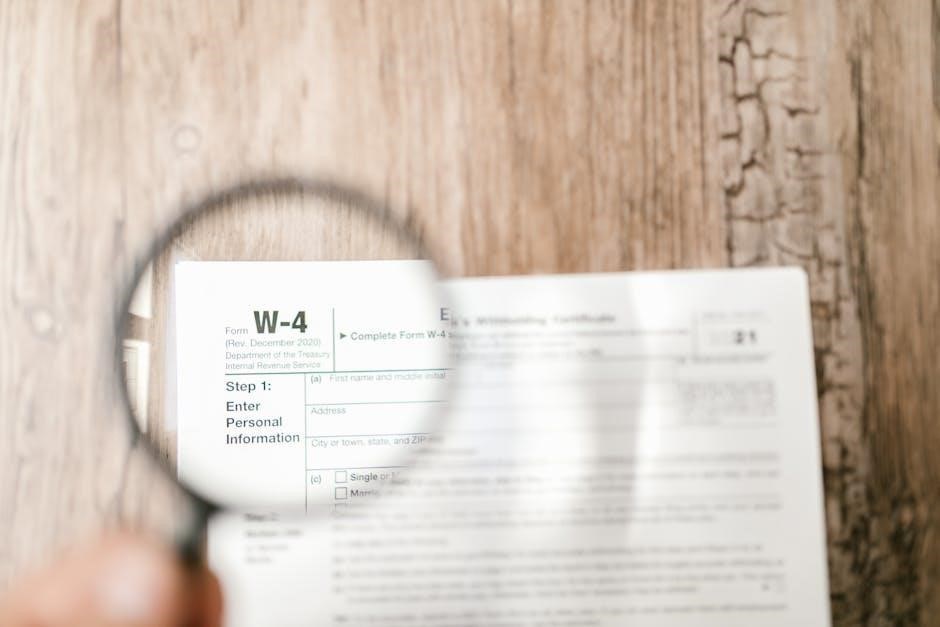
The Smoke Alarm Compliance Certificate is a formal declaration confirming a property meets Queensland’s stringent fire safety standards‚ particularly regarding smoke alarm installation and functionality․ It’s a crucial document for landlords‚ demonstrating legal adherence and protecting against potential penalties․
Obtaining this certificate‚ often in PDF format‚ signifies a qualified professional has inspected the property․ It’s becoming increasingly vital as the January 1‚ 2026 deadline approaches‚ with widespread non-compliance reported․ The certificate provides peace of mind and is often required for insurance purposes․
What Information is Included on the Certificate?
A comprehensive Smoke Alarm Compliance Certificate PDF details several key aspects of the property’s fire safety setup․ Expect to find the property address‚ date of inspection‚ and the name/licence details of the qualified professional who conducted the assessment․
Critically‚ it will specify the type‚ number‚ and precise locations of all installed smoke alarms․ Confirmation of interconnection‚ if applicable‚ is also included․ The certificate will explicitly state whether the property meets current QLD legislation‚ offering a clear compliance status‚ essential given the upcoming January 1st‚ 2026 changes․
Who is Qualified to Issue a Certificate?
Only specifically licensed professionals can legally issue a Smoke Alarm Compliance Certificate in Queensland․ This includes registered electricians holding the necessary qualifications and fire safety professionals accredited by relevant authorities․
Individuals cannot self-certify compliance; a qualified assessment is legally required․ These professionals possess the expertise to verify correct smoke alarm type‚ placement‚ interconnection‚ and overall system functionality‚ ensuring adherence to the evolving QLD legislation‚ particularly with the January 1‚ 2026‚ deadline approaching․ Verification of their credentials is crucial before engaging their services․
Obtaining a Smoke Alarm Compliance Certificate
Securing a certificate requires engaging a registered electrician or accredited fire safety professional․ These qualified individuals will inspect your property‚ verifying smoke alarm compliance with the current QLD legislation‚ effective January 1‚ 2026․
They’ll assess alarm type‚ placement‚ interconnection‚ and functionality․ Following a successful inspection‚ they’ll issue the official Smoke Alarm Compliance Certificate PDF․ Due to the impending deadline and potential non-compliance issues in some suburbs‚ booking an inspection promptly is highly recommended to avoid penalties․
Registered Electricians & Fire Safety Professionals
Locating a qualified professional is paramount for obtaining a valid certificate․ Registered electricians with specific smoke alarm accreditation‚ or certified fire safety professionals‚ are authorized to conduct inspections and issue compliance documentation․
Ensure the professional is licensed and understands the new QLD legislation taking effect January 1‚ 2026․ Demand proof of qualifications before engaging their services․ With many rental properties currently non-compliant‚ demand is high; book inspections well in advance to avoid delays and potential penalties․
Cost of a Smoke Alarm Compliance Certificate
Determining the exact cost can vary significantly based on several factors․ These include property size‚ the number of smoke alarms needing inspection or installation‚ and the electrician or fire safety professional’s rates․
Expect to pay anywhere from $150 to $400 or more‚ potentially higher for larger properties or those requiring extensive work․ Obtaining quotes from multiple providers is highly recommended․ Given the impending January 1‚ 2026 deadline and high demand‚ prices may increase; proactive booking is advised․

Penalties for Non-Compliance
Landlords failing to meet the new QLD smoke alarm legislation face substantial penalties․ Non-compliance can result in fines up to $4‚000 per property‚ significantly impacting rental income․ Beyond financial repercussions‚ landlords risk legal action from tenants and potential void periods if properties are deemed unsafe․
The legislation emphasizes tenant safety; therefore‚ demonstrating a commitment to compliance is crucial․ Proactive action‚ including obtaining a Smoke Alarm Compliance Certificate‚ mitigates these risks and ensures adherence to the law‚ protecting both landlords and renters․
The 400‚000 Public Fire Safety Campaign
Fire Minister Jo-Ann Miller launched a $400‚000 public fire safety campaign to bolster awareness regarding home escape plans and the importance of photoelectric smoke alarms․ This initiative directly supports the new smoke alarm legislation‚ aiming to increase public understanding and compliance before the January 1‚ 2026 deadline․
The campaign stresses proactive fire safety measures‚ complementing the requirement for a Smoke Alarm Compliance Certificate․ By promoting escape planning alongside compliant alarms‚ the government seeks to minimize fire-related injuries and fatalities across Queensland residences‚ fostering a safer community․
Home Escape Plans: A Critical Component of Fire Safety
Alongside compliant smoke alarms and the necessary certificate‚ developing and practicing a home escape plan is paramount for Queensland residents․ The $400‚000 public fire safety campaign‚ spearheaded by Jo-Ann Miller‚ actively encourages families to create these plans‚ ensuring everyone knows how to safely evacuate in a fire emergency;
A well-rehearsed escape plan significantly increases survival chances․ It should include two escape routes from each room and a designated meeting point outside the home․ This proactive step‚ combined with functional smoke alarms and certificate validation‚ forms a comprehensive fire safety strategy․
Frequently Asked Questions (FAQs)
Regarding the QLD smoke alarm compliance certificate‚ common questions arise․ Can you self-certify? Generally‚ no – a qualified electrician or fire safety professional must issue the certificate verifying compliance with the updated legislation effective January 1‚ 2026․
If your property is already compliant‚ retaining existing documentation demonstrating adherence to previous standards is advisable‚ though an updated certificate may still be beneficial․ Understanding these requirements is crucial‚ especially with looming deadlines and potential penalties for non-compliance‚ as highlighted by recent data․
Can I self-certify smoke alarm compliance?
No‚ self-certification for smoke alarm compliance in Queensland is generally not permitted․ The QLD legislation‚ particularly with the changes effective January 1‚ 2026‚ mandates that a qualified professional – a registered electrician or accredited fire safety professional – must assess your property․
They will then issue the official Smoke Alarm Compliance Certificate‚ confirming adherence to the stringent new standards․ This ensures a reliable and accurate assessment‚ protecting tenants and homeowners alike․ Attempting to self-certify could lead to penalties and invalidate insurance claims․
What if my property is already compliant?
If your property already meets the updated QLD smoke alarm legislation standards (effective January 1‚ 2026)‚ you will still require a Smoke Alarm Compliance Certificate․ A qualified professional – a registered electrician or fire safety expert – needs to inspect and verify existing compliance․
This assessment confirms that your current system aligns with the new requirements‚ including interconnected alarms and photoelectric detectors․ Obtaining the certificate provides documented proof‚ avoiding potential penalties and ensuring peace of mind․ Don’t delay; proactive verification is crucial․
Resources and Links
For comprehensive information regarding QLD smoke alarm legislation and the compliance certificate process‚ the Queensland Fire and Emergency Services (QFES) website is an invaluable resource․ It provides detailed guides‚ FAQs‚ and updates on the new laws effective January 1‚ 2026․
Additionally‚ the Electrical Safety Office (ESO) offers crucial information on electrical standards and qualified professionals capable of issuing certificates․ These links will help navigate the requirements‚ understand penalties for non-compliance‚ and access support for a safer home․
Queensland Fire and Emergency Services (QFES) Website
The QFES website serves as the primary hub for all information pertaining to Queensland’s smoke alarm legislation‚ including details about the compliance certificate․ Landlords and homeowners can find downloadable guides explaining the new laws effective January 1‚ 2026‚ and understand specific requirements for rental properties․
QFES also provides a wealth of resources on fire safety‚ including guidance on creating home escape plans – a key component of the 400‚000 public fire safety campaign․ Accessing this site is crucial for staying informed and compliant․
Electrical Safety Office (ESO) Information
The ESO website offers detailed technical information regarding smoke alarm installation and interconnected systems‚ crucial for obtaining a valid compliance certificate․ It clarifies wiring requirements and compatibility with RSL (Residual Current Device) systems‚ ensuring electrical safety alongside fire protection․
ESO resources detail who is qualified to issue the certificate – registered electricians and fire safety professionals – and provide guidance on the information included within the PDF document․ Staying updated with ESO’s guidance is essential for avoiding penalties for non-compliance․
Understanding the PDF Format of the Certificate
The QLD Smoke Alarm Compliance Certificate is delivered as a PDF‚ ensuring document integrity and ease of sharing․ It typically includes property details‚ alarm types and locations‚ dates of installation and testing‚ and the electrician’s license number․
PDF format allows for secure archiving and easy presentation to property managers or tenants․ Understanding the specific fields within the PDF is crucial for verifying compliance․ Ensure the certificate is digitally stored for future reference and insurance purposes‚ aiding in quick access during inspections․
Record Keeping: Maintaining Your Certificate

Proper record keeping of your QLD Smoke Alarm Compliance Certificate PDF is essential for demonstrating ongoing adherence to legislation․ Digitally store the certificate securely‚ backing it up regularly to prevent loss․ Retain records for the duration of the tenancy‚ and ideally‚ for several years afterward․
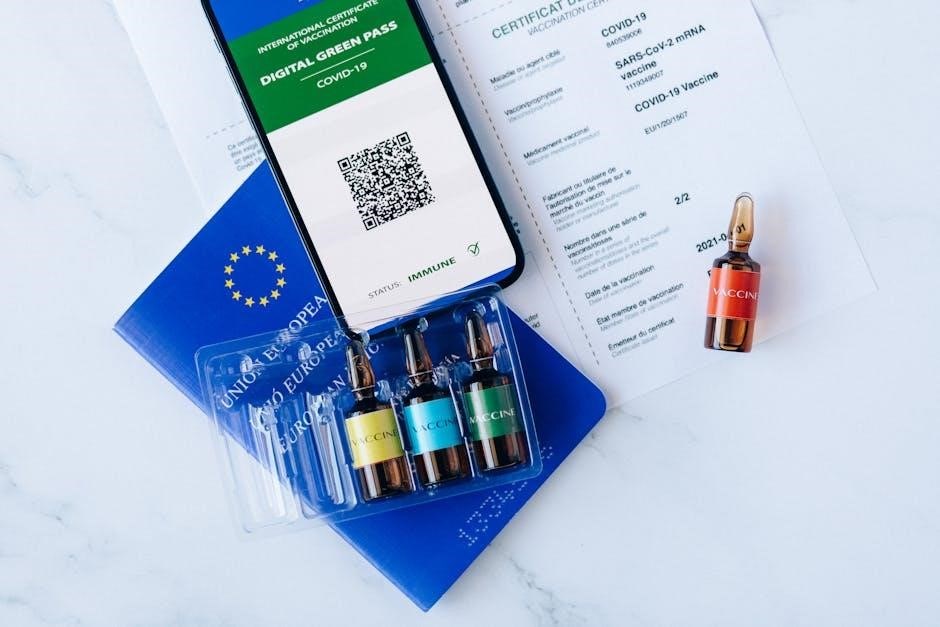
Maintain a central repository for all property-related safety documents․ This proactive approach simplifies future inspections and supports any potential insurance claims․ A well-organized system demonstrates responsible property management and ensures swift access when needed․
Smoke Alarm Maintenance and Testing
Regular maintenance and testing are crucial‚ even after obtaining a QLD Smoke Alarm Compliance Certificate PDF․ Test alarms monthly using the test button‚ ensuring functionality․ Replace batteries annually‚ or as per manufacturer instructions‚ for optimal performance․ Dust alarms regularly to prevent false alarms and ensure sensitivity․
Document all testing and maintenance activities․ A logbook provides proof of diligence and supports compliance․ Remember‚ a certificate confirms initial compliance‚ but ongoing upkeep is your responsibility‚ safeguarding tenants and property․
Specific Suburb Concerns Regarding Compliance
Recent data reveals significant compliance gaps in certain Queensland suburbs‚ particularly concerning rental properties nearing the January 1‚ 2026 deadline․ Warwick‚ for example‚ shows a concerning lag in upgrades․ This highlights a postcode-specific challenge for landlords seeking a QLD Smoke Alarm Compliance Certificate PDF․
Older housing stock in these areas often requires more extensive work to meet new standards․ Proactive engagement with registered electricians is vital․ Addressing these localized issues is crucial to avoid penalties and ensure tenant safety‚ demonstrating responsible property management․
Bill Byrne’s Role in Smoke Alarm Legislation
Former Fire and Emergency Services Minister Bill Byrne played a pivotal role in initiating the legislative changes surrounding smoke alarm requirements in Queensland․ He introduced a bill aimed at bolstering fire safety standards‚ directly impacting the necessity for a QLD Smoke Alarm Compliance Certificate PDF․
Byrne’s work focused on strengthening regulations for residential rental properties‚ recognizing the heightened risk to tenants․ This legislation laid the groundwork for the current compliance framework‚ emphasizing interconnected alarms and photoelectric technology‚ ultimately influencing certificate requirements․
Jo-Ann Miller’s Fire Safety Initiatives
As Fire Minister‚ Jo-Ann Miller spearheaded a significant $400‚000 public fire safety campaign․ This initiative directly addressed the impending smoke alarm legislation and the importance of obtaining a QLD Smoke Alarm Compliance Certificate PDF․ The campaign aimed to educate Queenslanders about creating home escape plans and adopting photoelectric smoke alarms․
Miller’s focus on public awareness was crucial in preparing residents for the new standards‚ emphasizing proactive fire safety measures․ Her efforts underscored the necessity of compliance‚ influencing property owners to prioritize safety and documentation‚ including the required certificate․
Future Changes to Smoke Alarm Legislation (Potential)
While current legislation focuses on interconnected photoelectric smoke alarms and the QLD Compliance Certificate PDF‚ potential future amendments remain a possibility․ Ongoing evaluations of fire safety data and technological advancements could prompt revisions to requirements․ This might include updates to certificate validity periods or expanded standards for alarm functionality․
Landlords and homeowners should remain vigilant‚ monitoring official announcements from QFES and the ESO․ Proactive preparation‚ including maintaining accurate certificate records‚ will be essential to adapt to any forthcoming changes in smoke alarm legislation and compliance procedures․
Impact of Non-Compliance on Insurance Claims
A valid Smoke Alarm Compliance Certificate QLD PDF is increasingly crucial for insurance claims related to fire damage․ Insurance companies are likely to scrutinize compliance‚ potentially denying claims if properties lack a current certificate or demonstrate non-adherence to regulations․ This includes interconnected alarms and photoelectric smoke detector requirements․
Therefore‚ maintaining a readily accessible certificate is paramount․ Non-compliance isn’t just a legal issue; it’s a significant financial risk․ Proactive compliance safeguards your property and ensures full insurance coverage in the event of a fire‚ protecting your investment․
Ultimately‚ the Smoke Alarm Compliance Certificate QLD PDF represents more than just a legal requirement; it embodies a commitment to safeguarding lives and property across Queensland․ Proactive compliance with the updated legislation‚ effective January 1‚ 2026‚ is essential for landlords and homeowners alike․
Securing a certificate through registered professionals‚ coupled with diligent maintenance and testing‚ provides peace of mind․ The 400‚000 public fire safety campaign underscores the importance of preparedness․ Prioritizing fire safety isn’t merely about avoiding penalties; it’s about protecting our communities․